
How Often Should Rooftop Units Be Maintained to Avoid Failure?
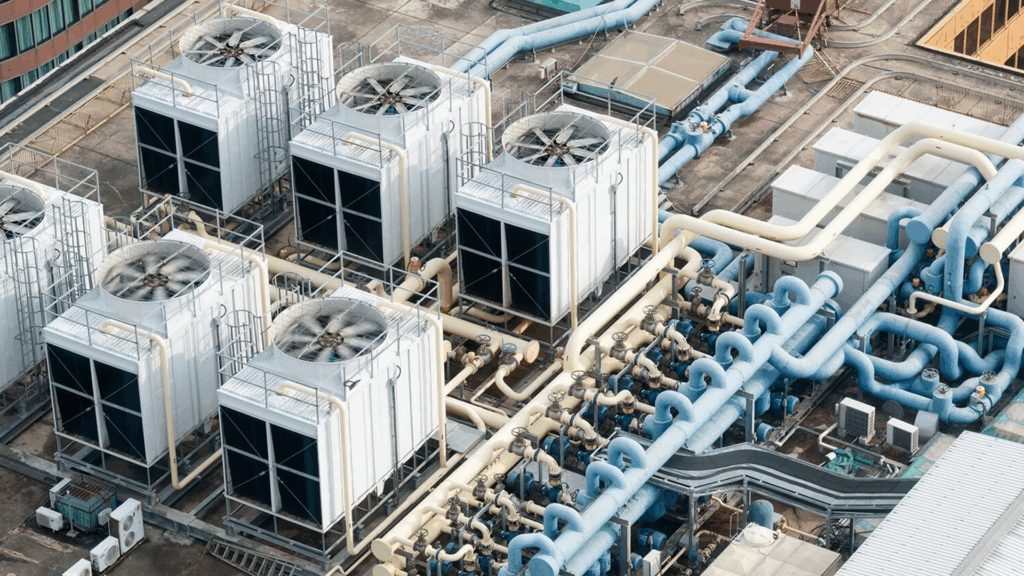
You manage a building. You’ve got a hundred things demanding your attention every day. The last thing on your mind is what’s happening on the roof. Those HVAC units up there just run, right? Until they don’t. Rooftop units (RTUs) are easy to forget because they’re out of sight. But ignoring them is a mistake that shows up on your energy bills and your repair invoices. A unit that isn’t maintained breaks down. It’s that simple. This guide answers the question “How often should rooftop units (RTUs) be maintained?” and gives you a practical schedule to keep them running instead of failing. Understanding Rooftop Units (RTUs) Before we talk about maintenance schedules, let’s make sure we’re on the same page about what these units actually are. A RTU rooftop unit is a self-contained heating and cooling system. Everything lives in one metal box up on your roof. The compressor, the coils, the fans, the controls. All of it. Unlike a split system where half the equipment sits outside and the other half lives in a closet or basement, packaged units do everything in one place. Rooftop Unit Components Include: The parts of a rooftop unit work together as an RTU HVAC system that heats, cools, and ventilates your building. Some units also include economizers that bring in outside air when conditions are right, saving energy. That’s a lot to ask of any machine, which is exactly why they need regular attention. Why Regular Rooftop Unit Maintenance Is Critical Think about what your rooftop unit deals with every single day. Sun beating down. Rain soaking in. Snow piling up. Dust and pollen blowing through. Temperature swings from freezing to scorching. All while trying to keep your building comfortable. That’s a lot to ask from any machine. Without regular attention, things start to slide. Coils get coated with dirt and can’t transfer heat efficiently. Filters clog up and restrict airflow. Belts stretch and slip. Refrigerant pressures drift out of spec. The unit works harder and harder just to do the same job, and your energy bills climb while your comfort drops. Rooftop unit preventive maintenance catches these issues before they become failures. A technician who visits regularly spots the dirty coil, the worn belt, the loose electrical connection, and fixes them while they’re still small problems. What is the lifespan of a rooftop unit? Most last between 15 and 20 years with proper care. Without it, you’re looking at major breakdowns much sooner. The units that get neglected rarely make it to their full potential. They limp along, costing more every year, until something big fails and forces an expensive rooftop unit replacement. The difference between a unit that lasts 20 years and one that dies at 12 comes down to maintenance. It really is that simple. Signs Your Rooftop Unit Needs Service You don’t have to wait for a scheduled maintenance visit to know something’s wrong. Your unit will tell you when it’s struggling. You just have to know what to look for. Signs rooftop unit needs service include: Catching these early often means simple rooftop repairs. Ignoring them leads to major breakdowns and emergency calls at the worst possible times. How Often Should Rooftop Units Be Maintained? Now for the question you came here to answer. How often should you actually have someone look at these things? Most commercial HVAC professionals recommend seasonal maintenance for rooftop units. That means four times a year, right before each season changes. Spring for cooling checks, fall for heating checks, and additional visits in between for heavy-use buildings. How many times a year should rooftop units (RTUs) be serviced? For most buildings, the answer is four. Some facilities with lighter use might get away with two, spring and fall. Buildings that run 24/7, like hospitals or data centers, may need monthly attention. Here’s a simple breakdown: Building Type Recommended Maintenance Frequency Office building, standard hours Quarterly (4 times/year) School, seasonal use Twice yearly (spring/fall) 24/7 operation, critical facility Monthly to quarterly Retail, restaurant Quarterly Light industrial Quarterly Following a rooftop HVAC maintenance schedule keeps small problems from becoming big ones. A technician visiting four times a year sees issues developing and addresses them before they cause downtime. Rooftop Unit Maintenance Checklist A good maintenance visit covers a lot of ground. Here’s what should happen when a technician checks your unit. Rooftop unit maintenance checklist: Following this rooftop unit HVAC maintenance routine catches most problems before they cause breakdowns. Some technicians use digital checklists they can share with you afterward. Ask for a copy so you know what was done and what was found. Packaged unit maintenance isn’t complicated, but it does need to happen consistently. A unit that gets checked four times a year runs better, lasts longer, and costs less to operate than one that gets ignored. Tips to Extend the Lifespan of Your Rooftop Unit You know how often to maintain your unit and what to check. Now here are a few extra things you can do to help it last even longer. Rooftop unit lifespan depends on more than just maintenance frequency. How the unit is treated day to day matters too. Rooftop HVAC units maintenance isn’t just about the technician’s visit. It’s about what happens the other 364 days of the year too. A unit that gets regular attention and respectful treatment can easily hit 20 years. One that gets ignored rarely makes it past 15. Keep Your RTUs Running Strong Rooftop units don’t fail overnight. They fail slowly, over months and years of neglect. Dirty coils, clogged filters, worn belts, and loose connections all add up until one day the unit stops and you’re facing an expensive emergency call. Four visits a year, a solid maintenance checklist, and paying attention to warning signs keep them running instead of failing. If you need help keeping your HVAC units in top shape, Big H & A Solutions can help. We provide professional HVAC Installation & Maintenance for all types of
Furnace Clicking Noises? Here’s What Homeowners Miss

It’s the middle of January and you’re sitting on the couch when you hear it again. That click. Then another. Your furnace is trying to do something, but it doesn’t sound right. You tell yourself you’ll check it out tomorrow, then tomorrow becomes next week, and the clicking hasn’t stopped. Furnaces make noise, and that’s normal. A whoosh when they kick on, a hum while they run, maybe a soft click or two during startup. But when those clicks turn into a steady rhythm, when they happen at the wrong times, or when the furnace starts clicking but nothing else happens, that’s your cue to pay attention. Why does my furnace sound like it’s clicking? It’s a question homeowners ask every winter, usually while standing in front of a unit that’s acting like it has something to say. The truth is that clicking can mean different things depending on when it happens. A gas furnace making clicking noises might point to ignition trouble, while an electric furnace making clicking noise often signals a relay or electrical issue. This blog covers what those sounds mean and when you should stop listening and start calling. Understanding Furnace Clicking Sounds Not every click is a crisis, but knowing the difference starts with understanding what’s normal. When your furnace kicks on, you might hear a single click as the igniter does its job or the gas valve opens. That’s just the sound of things working the way they should. The trouble begins when those clicks multiply, when they happen at odd times, or when the normal rhythm of the sound of furnace operation includes clicks that weren’t there before. Furnace Clicking Sound When Starting A click or two during startup is actually pretty common. The igniter tries to spark, the gas valve opens, and the burners light. One click, maybe two, and you’re on your way to warm air. But if that clicking continues without the burners lighting, something’s wrong. Furnace Making Clicking Noise While Running When the clicking happens after the furnace is already running, the cause is usually different. Loose parts, motor bearings, or expanding ductwork can all create clicks during operation. The key is paying attention to when the noise happens. Furnace Making Clicking Noise When Off This one catches homeowners off guard because the furnace shouldn’t be doing anything. Clicking after shutdown could mean parts cooling and contracting, or it could signal an electrical issue that needs attention. The timing of the click tells you where to look. A click at startup is different from a click during operation, and both are different from a click when everything should be quiet. Listen closely before you do anything else. Common Causes of Furnace Clicking Noises Furnace clicks aren’t random. They’re messages from different parts of your system trying to tell you something. Here’s what those messages usually mean. Ignition System Problems This is the most common reason homeowners search for furnace clicking but not turning on. The ignition system, whether a pilot light or electronic igniter, is responsible for lighting the burners. When it fails, you’ll hear repeated clicking as the system keeps trying to spark without success. Symptoms: Rapid clicking that doesn’t lead to flames, a furnace that tries and fails repeatedly, or a brief flame that goes out immediately. Risk: Besides the obvious lack of heat, repeated failed attempts can flood the system with unburned gas, creating a safety hazard. What to do: Sometimes the igniter just needs cleaning. But if it’s worn out, replacement is the only option. This is one where professionals have the right parts and know how to test for gas buildup before attempting a fix. Flame Sensor Issues Near the back of your furnace sits a small metal rod called the flame sensor. Its job is to detect whether the burners actually lit. If it’s dirty or failing, it tells the system no flame is present, and the whole startup process begins again, causing that clicking cycle. Symptoms: Burners light briefly then shut off, followed by another clicking attempt. This cycle repeats until the system locks out. Risk: A faulty flame sensor can prevent your furnace from running at all. More concerning, it’s a safety device that protects against gas accumulation. What to do: A dirty sensor can often be cleaned with a gentle abrasive. But if the sensor is failing, replacement is needed. Gas Valve or Gas Supply Issues Is a clicking furnace dangerous? When gas is involved, the answer leans toward yes. The clicking you hear could be the igniter trying to light burners that aren’t getting any gas. Symptoms: Clicking without ignition, no smell of gas (which is actually concerning because there should be a faint odor when burners light), or a furnace that occasionally works then stops. Risk: Gas leaks are the worst-case scenario. A stuck valve or interruption in supply needs immediate attention. What to do: Shut the furnace off and call a professional. Gas issues aren’t DIY territory. Loose or Worn Mechanical Components Not every click is electrical. Sometimes clicking noise from furnace comes from parts that have worked themselves loose over time or bearings that have worn down. Symptoms: Clicking that happens while the furnace is running, especially when the blower kicks on. The sound might change with the furnace’s cycle. What to look for: Loose panels can be tightened. Worn motor bearings need lubrication or replacement. A technician can tell the difference. Ductwork Expansion and Contraction Here’s one that’s usually not serious. Metal ductwork expands when hot air moves through it and contracts as it cools. This can create popping or clicking sounds, especially in older homes. Symptoms: Clicking sounds that seem to come from the walls or ceilings rather than the furnace itself. The noise might happen a few minutes after the furnace starts or after it shuts off. Risk: Minimal. It’s annoying but not dangerous. What to do: Sometimes adding insulation or ensuring ducts are properly supported can reduce the noise. But if
7 Hidden AC Issues That Make Your Energy Bill Skyrocket
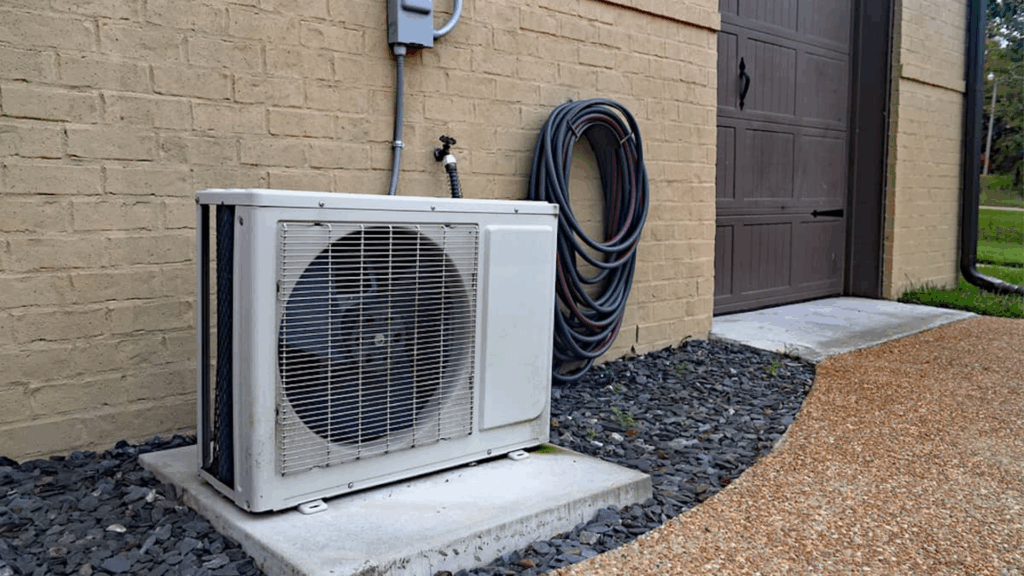
You know the feeling. That first summer electricity bill arrives and your eyes go wide. You flip through the pages trying to figure out what happened. Did you leave something on? Is the rate higher? Then you remember the heat wave last week and realize your AC has been running nonstop. But still, this seems like too much. If you’ve been asking yourself why my AC makes my electric bill so high, you’re not alone. Most homeowners assume their AC is just expensive to run. But sometimes the real problem isn’t the cost of cooling. It’s hidden issues inside your system that silently drive up your energy use month after month. This guide breaks down seven of those hidden problems and what you can do about them. Because finding out what causes high AC energy bills is the first step toward getting them back under control. Quick Overview of Energy-Saving Tips Before we dive into the hidden issues, let’s address a couple questions homeowners often ask. Is it cheaper to leave the AC on all day? The short answer is no. Your AC works hardest when it first kicks on, but running constantly wastes far more energy than letting it cycle on and off as needed. The best approach is to set a reasonable temperature and let the system do its job. And speaking of temperature, what is the best temperature for AC on a low bill? Energy experts recommend 78°F when you’re home and higher when you’re away. Every degree below that adds about 3 percent to your cooling costs. But here’s the thing. Even with perfect habits, your bills can still climb if something is wrong with your system. That’s what we’re really here to talk about. The hidden problems that make your AC work harder than it should, no matter how carefully you set the thermostat. The 7 Hidden AC Issues Now let’s get into the real reasons your bills might be climbing. These are the problems hiding inside your system, quietly driving up your energy use month after month. Issue 1: Dirty or Clogged Air Filters What is the common mistake that doubles your electric bill? For a lot of homeowners, it’s forgetting to change their air filters. Your AC pulls air from inside your home, cools it, and pushes it back through the vents. On the way in, that air passes through a filter designed to catch dust, pet hair, and other debris. When that filter gets clogged, air can’t move through easily. Your system has to work harder and run longer to cool your home. That extra effort shows up on your bill. A dirty filter can increase your AC energy consumption by 5 to 15 percent. And since filters cost just a few dollars, changing them regularly is the easiest money you’ll ever save. Signs it’s clogged: Weak airflow from vents, ice forming on the lines, or your system running constantly without satisfying the thermostat. The fix: Check your filter every 30 days and replace it when it looks dirty. Most homes need a new filter every one to three months depending on pets, dust, and how often you run the system. Issue 2: Leaky or Poorly Sealed Ductwork Your ductwork is basically the highway system for your cooled air. It carries that nice cold air from your AC unit to every room in your house. But if that highway has holes, a lot of that air never reaches its destination. Leaky ducts are one of the most common hidden problems in homes, especially older ones. You might be paying to cool your attic or crawl space instead of your living room and not even know it. Why your electricity bill is skyrocketing, common faults explained often point back to duct losses. The Department of Energy says the average home loses 20 to 30 percent of its conditioned air through duct leaks. That means nearly a third of what you pay to cool your home never actually cools anything you care about. Signs you might have duct leaks: Rooms that never seem to get cool enough, dusty air blowing from vents, or noticing that some rooms feel fine while others stay warm no matter what. The fix: A professional AC system inspection can include duct testing to find leaks. Sealing them with mastic or metal tape (not duct tape, which actually fails over time) makes a huge difference. In some cases, adding insulation to ducts in unconditioned spaces helps too. Issue 3: Low Refrigerant or Refrigerant Leaks Refrigerant is the stuff inside your AC that actually does the cooling. It absorbs heat from your indoor air and releases it outside. When refrigerant levels drop, your system loses its ability to remove heat efficiently. This is one of those problems that sneaks up on you. Your AC still runs, but it runs longer and harder trying to reach the temperature you set. The air coming out of the vents might feel cool, just not as cold as it should be. Meanwhile, your meter is spinning faster and faster. AC causes high electric bills more often when refrigerant is low because the compressor has to work overtime. It’s like trying to cool your house with a window unit that’s low on juice. It’ll try, but it’ll take forever and cost a fortune. Signs of low refrigerant: Ice forming on the copper lines or on the outdoor unit itself, hissing sounds from the system, or air that never gets quite cold enough no matter how long it runs. The fix: Low refrigerant almost always means there’s a leak somewhere. This isn’t a DIY situation. An AC technician needs to find the leak, repair it, and recharge the system to the proper level. Topping it off without fixing the leak just means you’ll be paying again next year. Common AC repair problems like this one require someone who knows what they’re looking for. A good tech can spot the signs and get your system back to
5 Common Myths About Duct Cleaning Debunked

You walk past a vent in your hallway and notice a little puff of dust escape as the air kicks on. Nothing major. Just a reminder that life happens. Pet hair. Lint. That fine layer of stuff you sweep up twice a week only to find again by Friday. Maybe you’ve caught yourself asking “Is duct cleaning a waste of money?” or scrolling through articles about air duct cleaning myths late at night. Some people swear by it. Others say it’s a total scam. The noise online makes it hard to know who to trust. This blog cuts through all that so you can finally get a straight answer. Because when it comes to the air your family breathes every single day, you deserve to know what’s real and what’s not. Myth #1: “Air Duct Cleaning Isn’t Necessary Unless There’s a Problem” You know that friend who only goes to the dentist when a tooth starts hurting? That’s how a lot of people treat their air ducts. Everything seems fine. Air blows out when it’s supposed to. No weird smells. So why poke around in there? Here’s the thing. Your HVAC system runs whether you think about it or not. And while it runs, it’s quietly pulling in stuff you’d rather not think about. Dust. Pet hair. Dead skin cells. Pollen. All of it builds up inside those metal tunnels running through your walls and ceilings. The signs your air ducts need cleaning aren’t always obvious. You might not notice anything until someone in the house starts sneezing more than usual or you realize the bedroom feels dustier an hour after you clean it. By then, that buildup has been cycling through your home for months. According to the EPA, even a thin layer of dust inside your ducts can reduce your system’s efficiency. That means your HVAC works harder, runs longer, and costs you more money just to keep the house at the same temperature. Not exactly a problem you can see from the outside. So is air duct cleaning necessary when nothing seems broken? Think of it like changing the oil in your car. The engine runs fine until it doesn’t. Preventative maintenance keeps small buildup from becoming big trouble. For most homes, that means cleaning every three to five years. More if you have pets or allergies. Less if you’re living alone and barely home. Myth #2: “DIY Air Duct Cleaning Works Just as Well” You’ve seen the videos. A guy with a shop vac and a long brush attachment shoves the hose into a vent and pulls out an impressive chunk of dust. Looks easy enough. Sixty bucks and a Saturday afternoon and you’re done, right? Not exactly. Here’s what those videos don’t show you. Most of your ductwork isn’t a straight shot. It bends. It branches. It runs behind walls and under floors where that shop vac hose can’t reach. When you poke around in there without the right gear, you’re mostly just stirring things up. Some dust comes out. The rest? It breaks loose and settles deeper into the system, waiting for the next time the blower kicks on. Professional air duct cleaning equipment is a whole different animal. Those big trucks parked outside your house aren’t for show. They create negative pressure, basically a vacuum powerful enough to pull contaminants through the entire length of your ductwork and into a sealed container outside your home. Meanwhile, specialized brushes and whips agitate everything stuck to the walls so the suction can actually grab it. Then there’s the stuff you can’t see. Mold spores. Bacteria. Dead skin cells that are basically an all-you-can-eat buffet for dust mites. DIY air duct cleaning might pull out the visible fuzz ball near the register, but it won’t touch the biofilm growing further down the line. And honestly? There’s a reason professionals use tools for cleaning air ducts that cost more than your monthly mortgage. Without them, you risk damaging delicate components inside the ducts or pushing contaminants into places they’ll never come out. Myth #3: “Air Duct Cleaning Doesn’t Improve Air Quality” You hear this one a lot. The air in your house is the air in your house. Cleaning the ducts won’t change that. Just dusting and changing filters does the trick. If only it were that simple. Think about what actually floats around in your home. Pet dander settles into carpets. Pollen rides in on clothes and bags. Dust mites set up shop in upholstery. And every time you walk through a room or the HVAC kicks on, some of that stuff becomes airborne again. Now imagine those particles have been collecting inside your ducts for years, getting stirred up and blown right back into the spaces where you live, sleep, and breathe. The benefits of air duct cleaning show up in ways you can feel more than see. Maybe it’s fewer headaches. Maybe the bedroom stays dust-free an extra day after cleaning. Maybe your kid’s asthma doesn’t flare up as often during summer when the AC runs constantly. Does air duct cleaning work for allergies? For a lot of families, absolutely. When you remove the built-up allergens from the delivery system, you stop recycling them through the house. It’s like finally cleaning the crumb tray in your toaster instead of just wiping off the counter every morning. And then there’s mold. If moisture has found its way into your ducts, you’re not just dealing with dust anymore. You’re dealing with spores that spread every time the system runs. Cleaning mold in air ducts requires more than a wipe down. It means removing the growth entirely and treating the area so it doesn’t come back. Skipping that means breathing in whatever’s living down there. Myth #4: “Air Duct Cleaning Is Too Expensive and Not Worth It” Let’s talk about the price tag because that’s usually where the conversation stops for most people. You get a quote, your eyes widen, and suddenly those dusty vents don’t